Coastal Defense Strategy
Breakwaters play a critical role in protecting Ras El-Bar's shoreline.
They reduce wave energy and stabilize coastal areas.
The structures support long-term erosion control.
This investment enhances community safety and resilience.
Breakwater Engineering
Multi-layered rubble-mound systems strengthen coastal barriers.
Rock layers are designed for maximum wave resistance.
Crest elevations follow precise engineering calculations.
The design ensures durability under harsh marine conditions.
Armor Stone Placement
Heavy armor stones protect the breakwater’s outer layers.
Each stone is placed carefully using GPS-guided equipment.
Consistent grading ensures structural stability.
Quality control is performed throughout installation.
Revetment Construction
Stone revetments safeguard eroding shoreline sections.
Sloped designs dissipate incoming wave forces.
Filter layers prevent soil loss beneath the structure.
Revetments ensure long-term shoreline protection.
Marine Dredging Works
Dredging operations shape the seabed for stable foundations.
Sediment removal follows strict environmental guidelines.
Depth profiles support efficient breakwater performance.
Monitoring systems maintain water quality integrity.
Geotextile Protection
Geotextiles reinforce the breakwater’s internal structure.
They prevent erosion and limit material displacement.
Layers support filtration and drainage efficiency.
This ensures structural longevity and stability.
Shoreline Stabilization
Stabilization works protect vulnerable beach zones.
Rock barriers maintain natural coastline alignment.
Designs reduce the impact of seasonal water fluctuations.
The shoreline becomes safer and more resilient over time.
Environmental Compliance
Coastal works follow strict environmental regulations.
Sediment control systems protect marine habitats.
Water clarity is monitored throughout construction.
Eco-friendly practices minimize project impact.
Storm Protection
Breakwaters shield the coastline during severe storms.
They minimize wave impact on public infrastructure.
The structures reduce flooding risks significantly.
Coastal communities benefit from improved safety.
Safety & Marine Access
Controlled marine access ensures safe equipment operations.
Navigational safety plans guide vessel movements.
Safety officers monitor all marine activities.
Compliance reduces risks throughout construction.
Concrete Seawall Works
Reinforced seawalls support long-term coastal defense.
Marine-grade concrete enhances durability.
Structural alignment follows hydrodynamic modeling.
These walls provide an added layer of protection.
Hydrodynamic Modeling
Wave simulations guide the design of coastal defenses.
Modeling predicts storm behavior and wave patterns.
Optimized designs reduce structural stress.
Engineering decisions are data-driven and precise.
Logistics & Material Handling
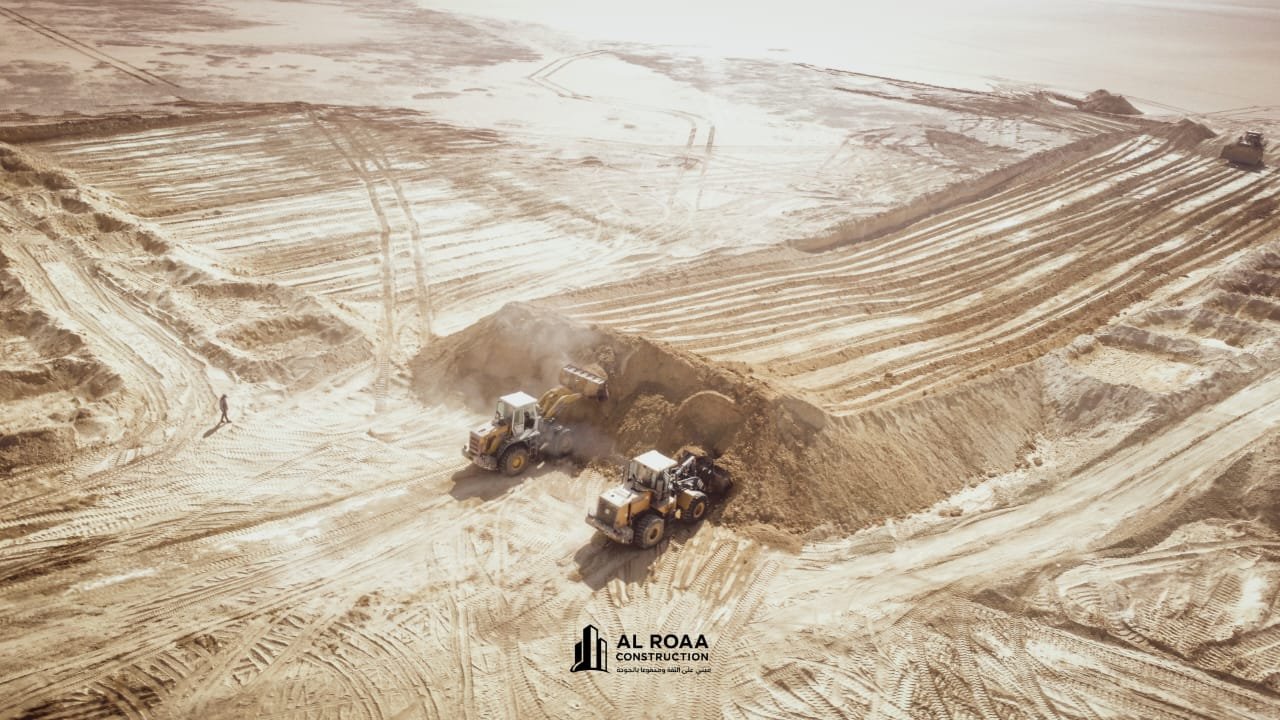
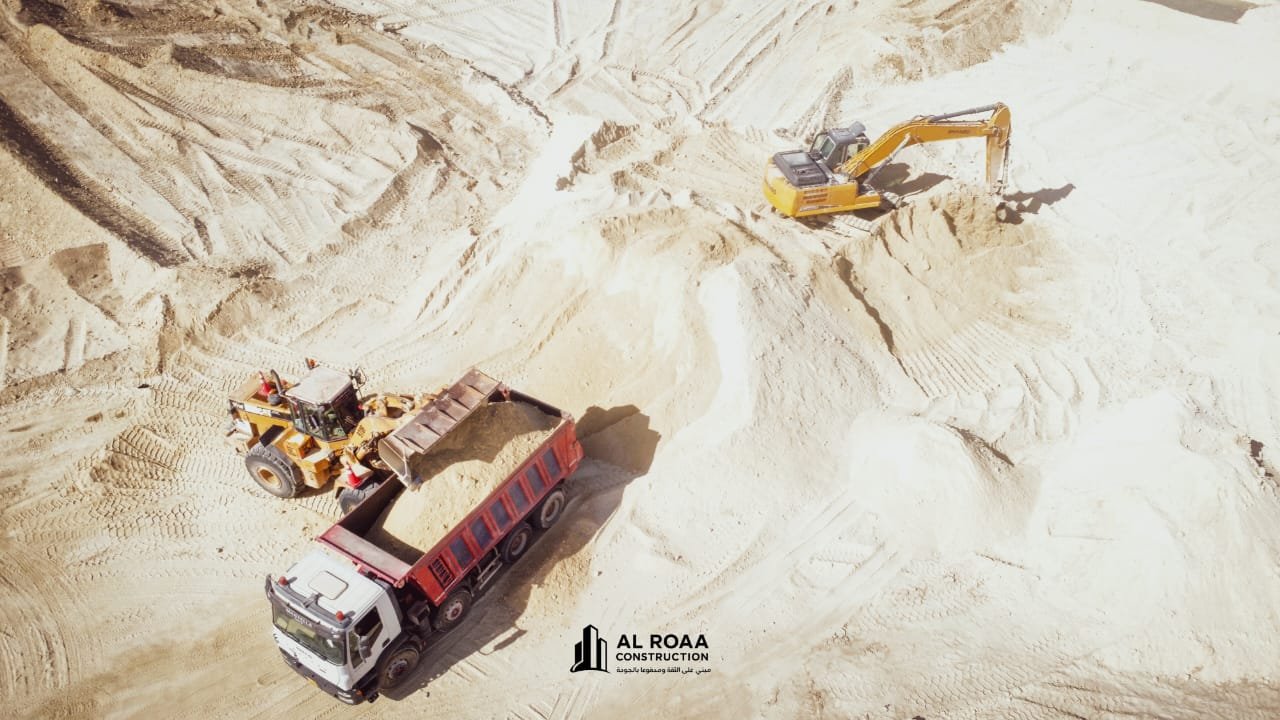
Heavy rock transport requires precise coordination.
Marine cranes handle large-scale lifting operations.
Access routes are engineered for stability.
Efficient logistics ensure smooth project progress.
Quality Control Testing
Every construction layer undergoes detailed inspection.
Elevation checks ensure accuracy across the structure.
Material tests confirm durability and compliance.
QA/QC processes document all construction stages.
Coastal Tourism Support
Stabilized shorelines attract more visitors to Ras El-Bar.
Enhanced coastal safety supports tourism activities.
Beach preservation improves the city’s visual appeal.
The area benefits economically from sustainable protection.
Final Commissioning
Completed structures undergo final stability inspections.
As-built surveys confirm design compliance.
Handover documents outline operational guidelines.
The project delivers long-term coastal protection.