Highway Corridor Importance
The Ajdabiya–Tobruk road is a critical link between eastern Libya’s trade hubs.
Upgrading this 200 km stretch improves access to ports, oil terminals and border crossings.
The improved corridor supports national logistics and economic stability.
Modern infrastructure reduces transport delays and fuel consumption.
Pavement Strengthening
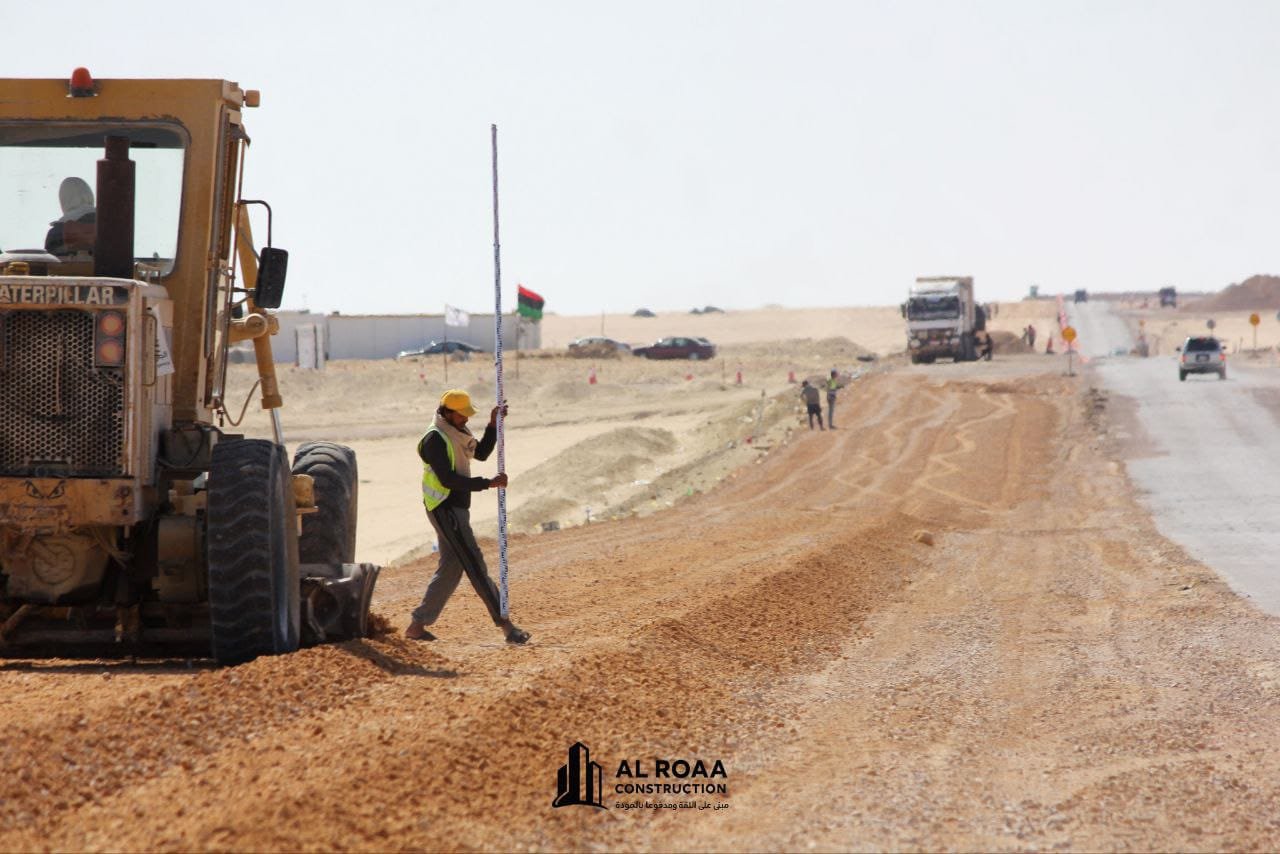
Failed pavement sections were removed and rebuilt using a layered asphalt design.
The new system provides durability under high axle loads and desert heat.
Enhanced compaction techniques ensure long-lasting performance.
The upgrade significantly reduces future maintenance costs.
Drainage Improvements
New culverts and channels safeguard the roadway from seasonal flash flooding.
Hydraulic studies ensure proper sizing for regional wadi flows.
Erosion control protects embankments along vulnerable sections.
Improved drainage extends the pavement’s service life.
Safety Enhancements
Widened shoulders and modern guardrails improve driver safety on long desert stretches.
New signage and reflective road markings guide drivers during night travel.
Safer intersections reduce collision hotspots along the 200 km corridor.
The project aligns with international highway safety standards.
Geometric Alignment
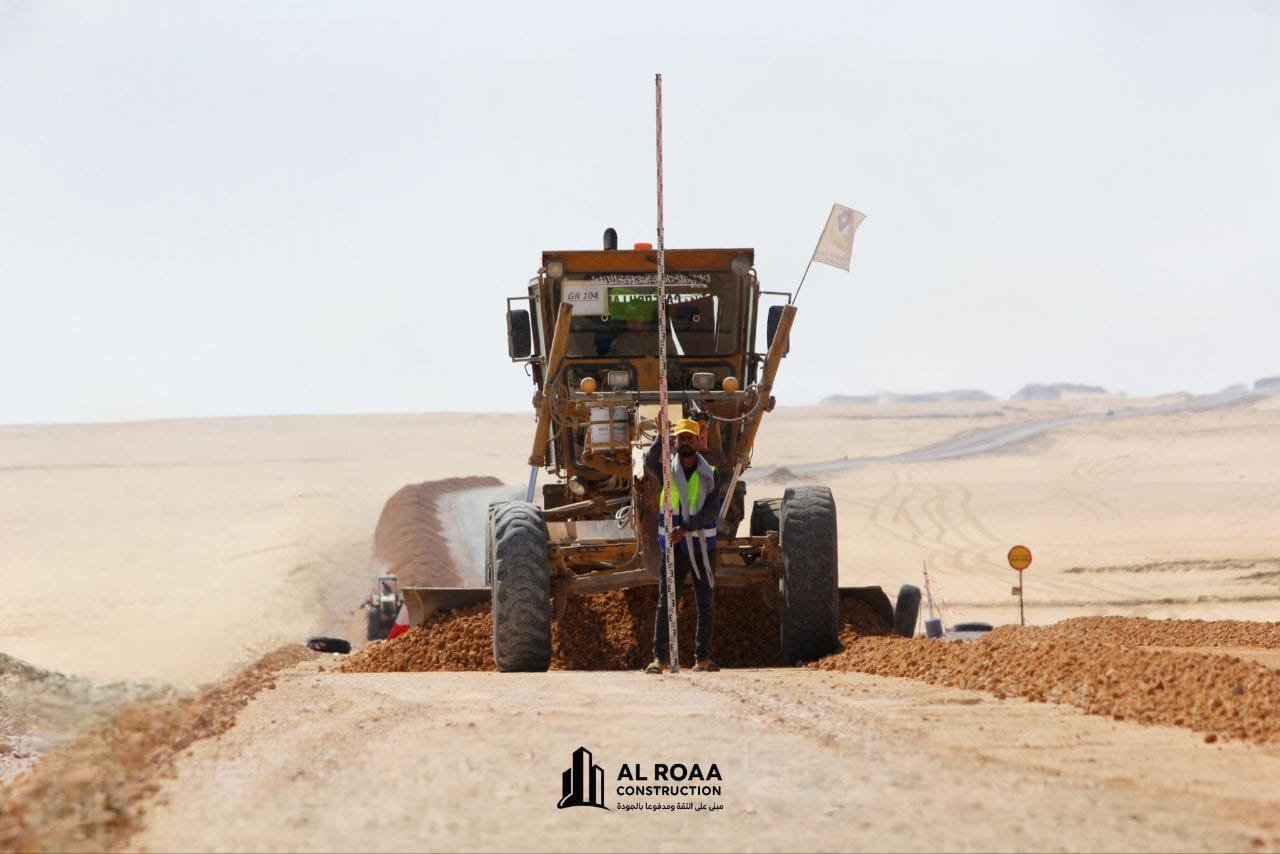
Curves and slopes were redesigned to enhance vehicle stability and visibility.
Realignment eliminates dangerous turns and improves overall driving comfort.
Smoother geometry reduces stress on vehicles and lowers accident risks.
Improved alignment supports consistent travel speeds.
Earthworks Efficiency
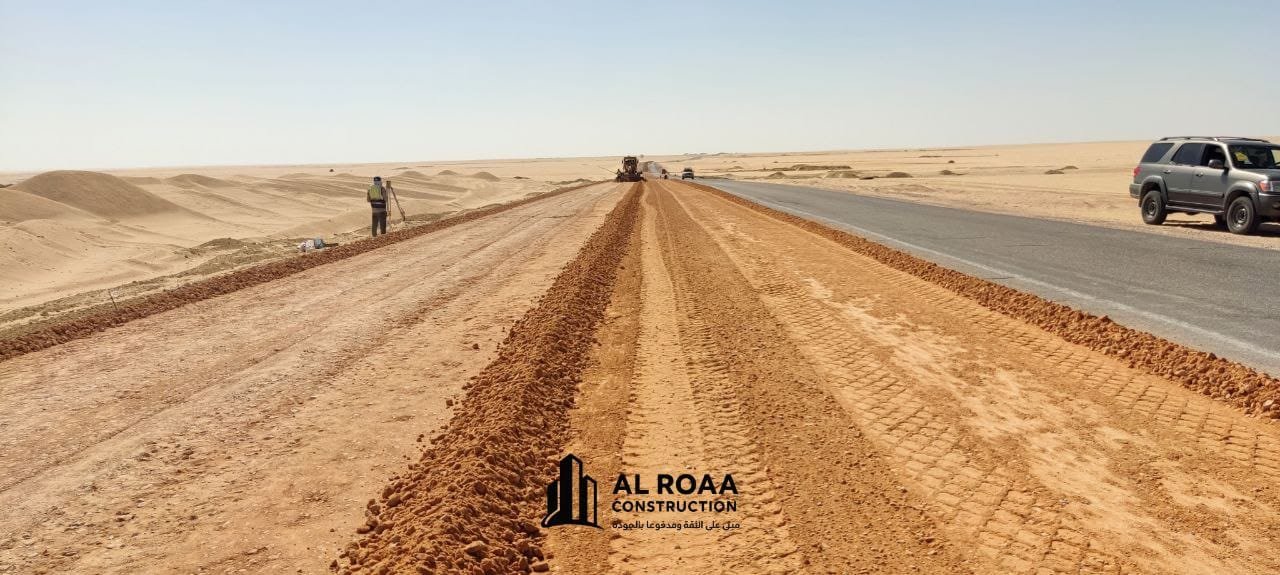
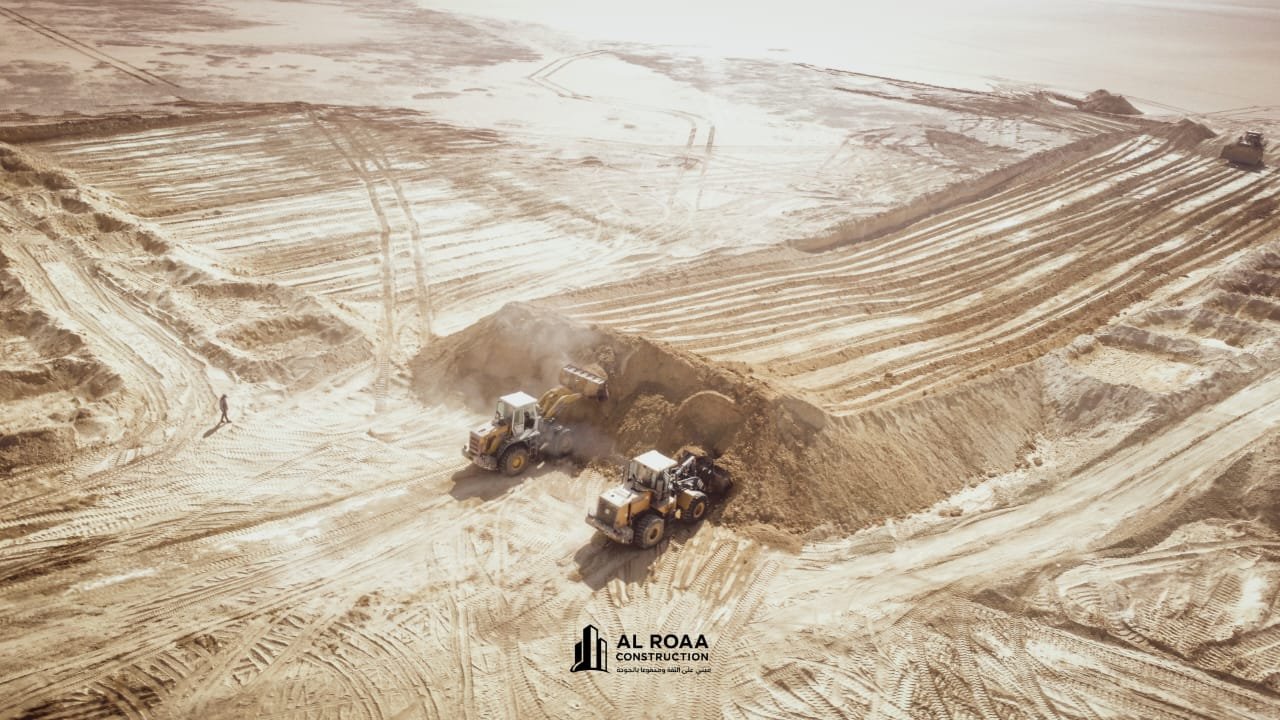
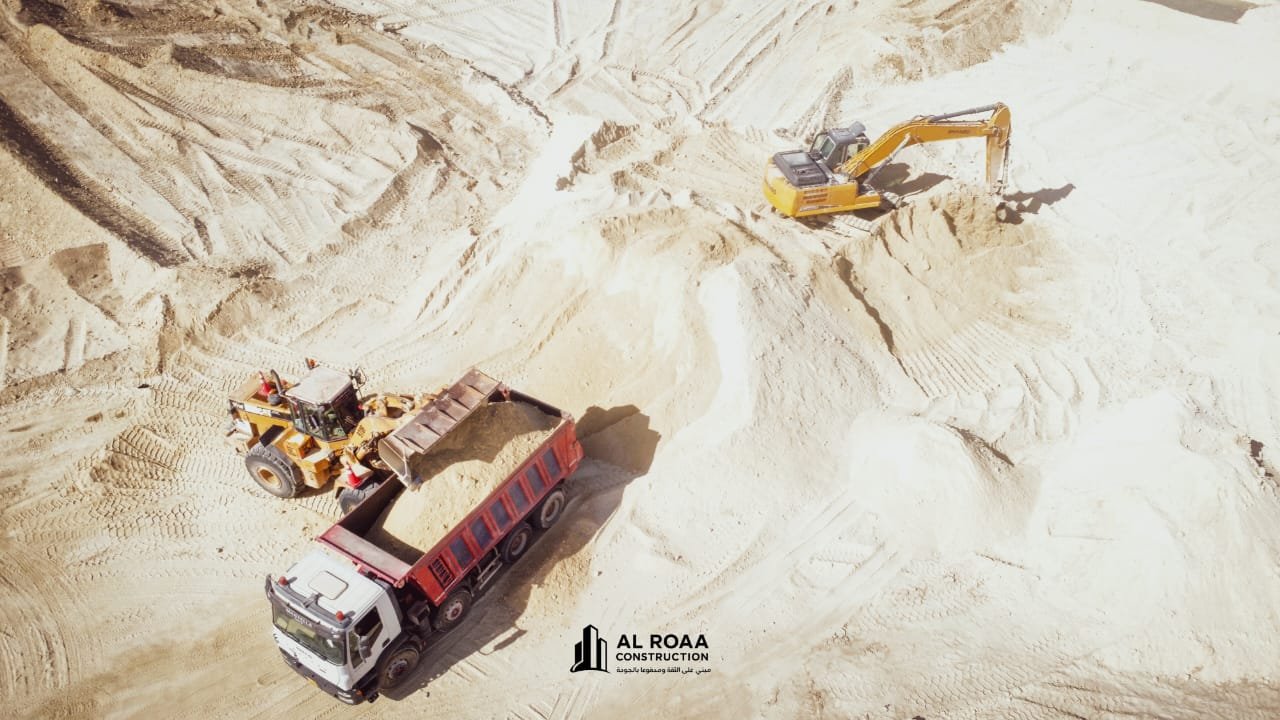
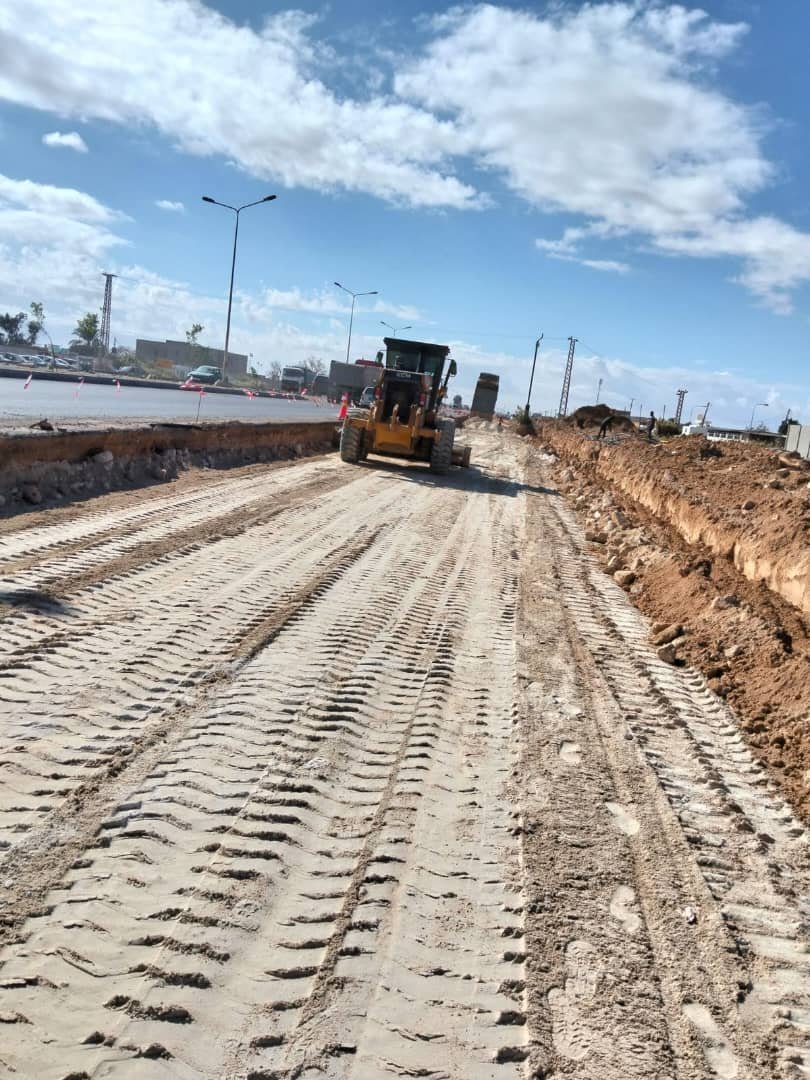
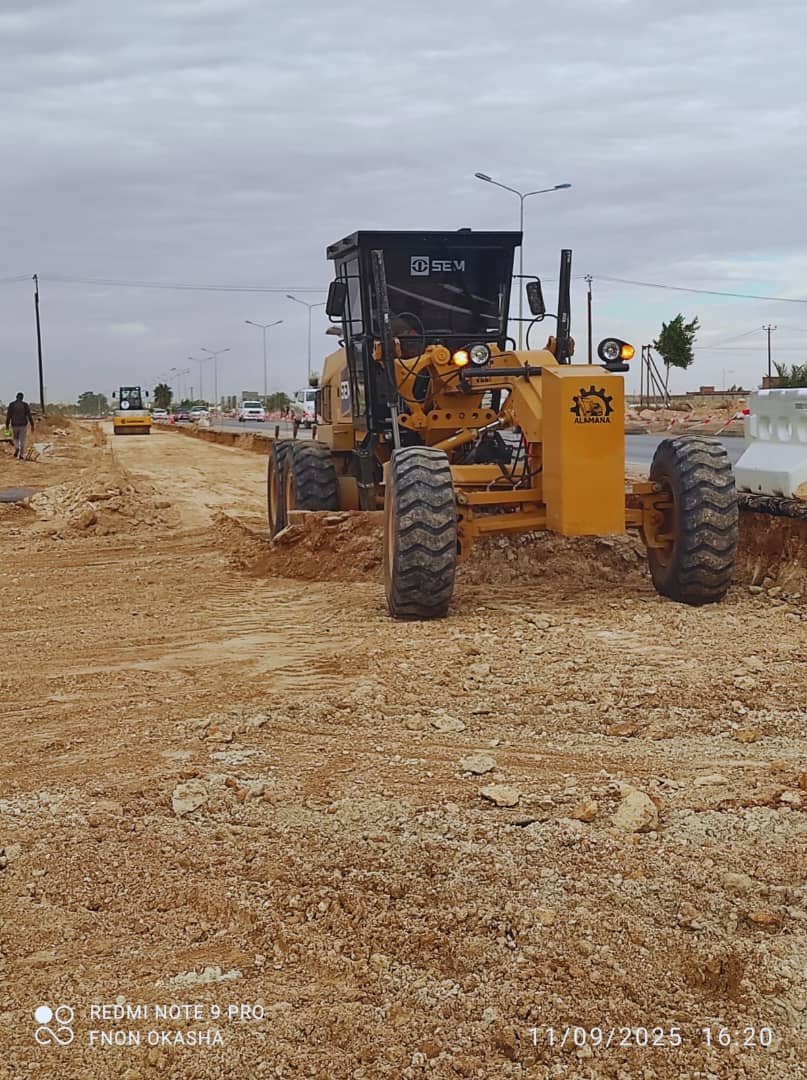
Balanced cut-and-fill operations minimize material waste across the corridor.
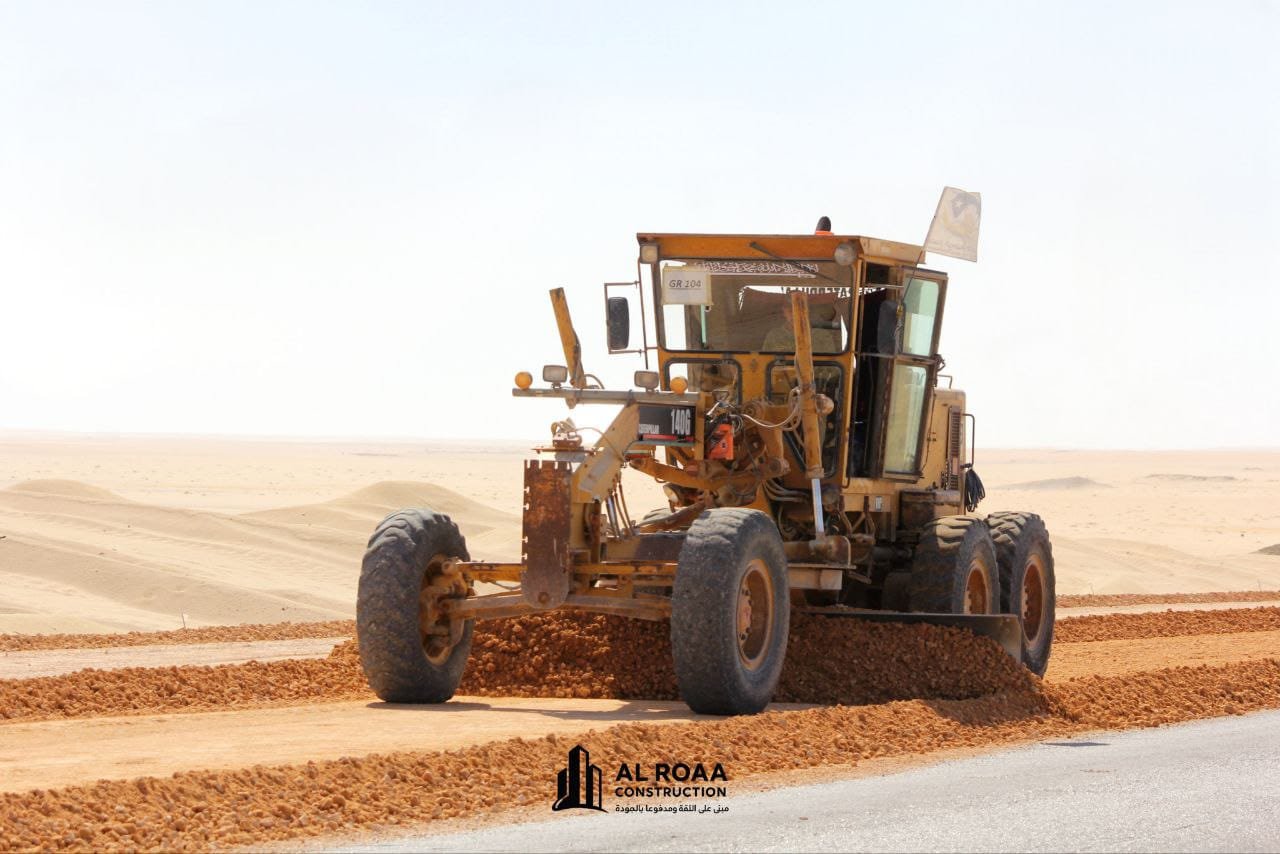
Compaction ensures a strong foundation for upper pavement layers.
Soil stabilization is performed in weak ground zones.
Optimized earthworks improve road performance and durability.
Structural Rehabilitation
Aging culverts and small bridges were restored or reconstructed as required.
Reinforcement and concrete upgrades improve structural performance.
Long-term measures protect structures from corrosion and scour.
Improved crossings enhance resilience during heavy rainfall events.
Traffic Flow Optimization
Widening improves overtaking opportunities along the desert highway.
Reduced bottlenecks enhance commercial transport movement.
Emergency vehicle response times are improved by smoother travel.
The entire corridor benefits from improved mobility efficiency.
Environmental Practices
Dust suppression and controlled waste disposal limit environmental impact.
Work avoids disturbance to sensitive land and natural features.
Rehabilitation restores areas affected during construction.
Environmental monitoring ensures compliance with national standards.
Local Economic Boost
The project generates jobs and supports local suppliers across eastern Libya.
Enhanced connectivity stimulates growth in trade and services.
Regional mobility improvements benefit communities along the route.
Long-term economic value extends beyond immediate construction.
Material Quality Control
Regular sampling ensures compliance with approved material specifications.
Asphalt mixes undergo strength and durability testing.
Aggregate quality is checked for grading and moisture levels.
Quality assurance guarantees reliable performance across 200 km.
Long-Term Resilience
Designs account for extreme heat and occasional heavy rains.
Drainage systems protect against washouts and water pooling.
Durable pavement reduces deformation under heavy loads.
The upgraded corridor withstands long-term environmental challenges.
Construction Logistics
Remote desert sections require strategic planning of supply routes.
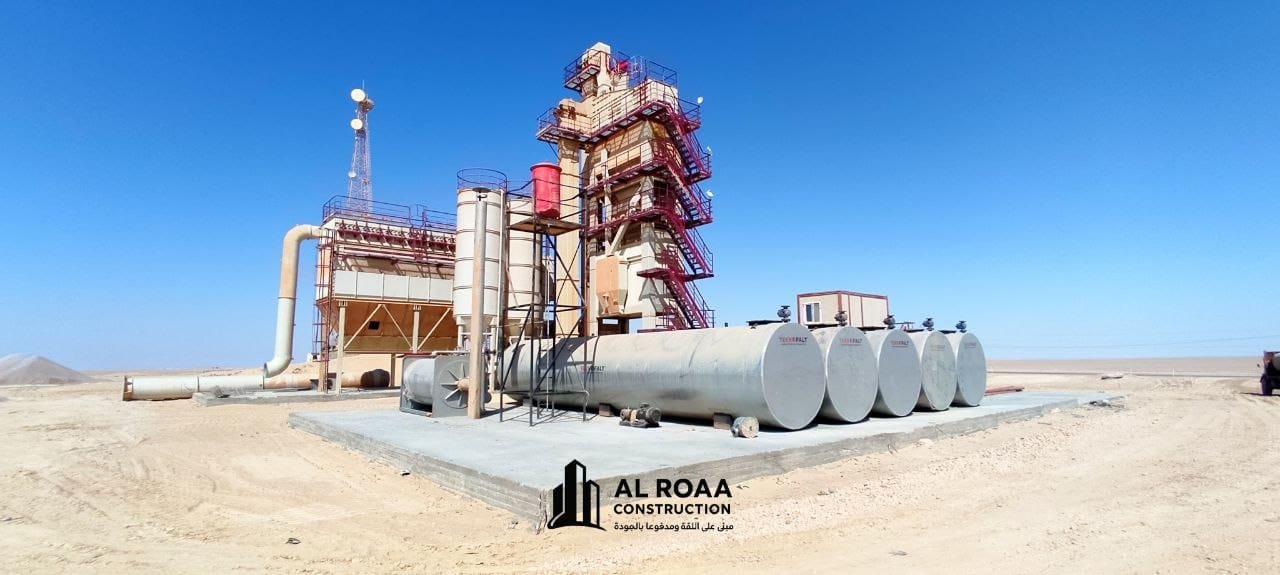
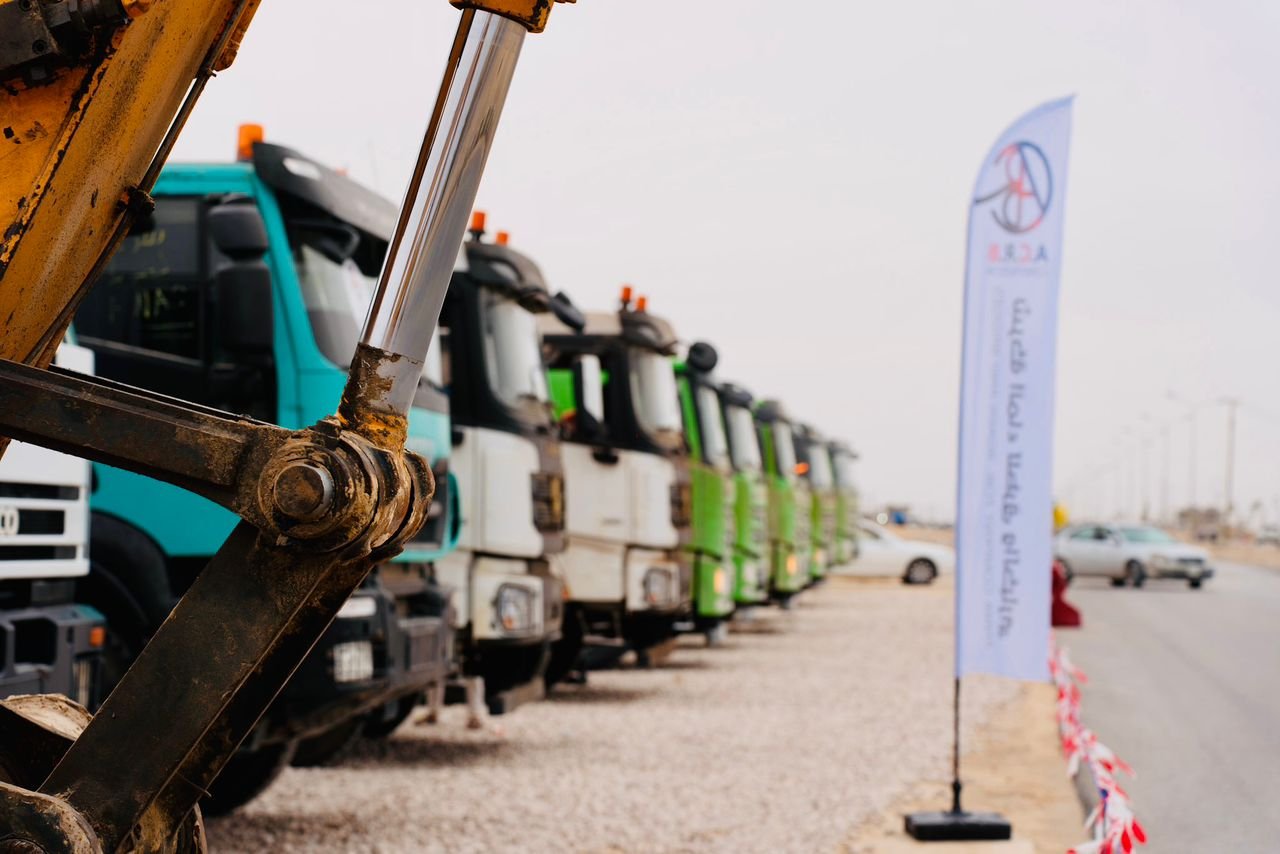
Fuel and water stations were established to support machinery.
Material stockpiles are positioned to reduce haul distances.
Efficient logistics improve project pacing and reliability.
Monitoring & Reporting
Progress is tracked through weekly and monthly reporting cycles.
Site inspections verify compliance with safety and technical standards.
Continuous monitoring ensures timely corrective actions.
Transparent reporting builds confidence with stakeholders.
Maintenance Planning
Routine maintenance guidelines are prepared for post-handover use.
Drainage cleaning schedules ensure long-term hydraulic efficiency.
Pavement monitoring helps detect issues at early stages.
A proactive maintenance plan extends corridor lifespan.
Completion & Handover
A full set of as-built drawings and lab reports is delivered at completion.
Final inspections verify the entire 200 km meets project standards.
A defects liability period supports authorities after handover.
The corridor becomes a fully modernized highway serving eastern Libya.