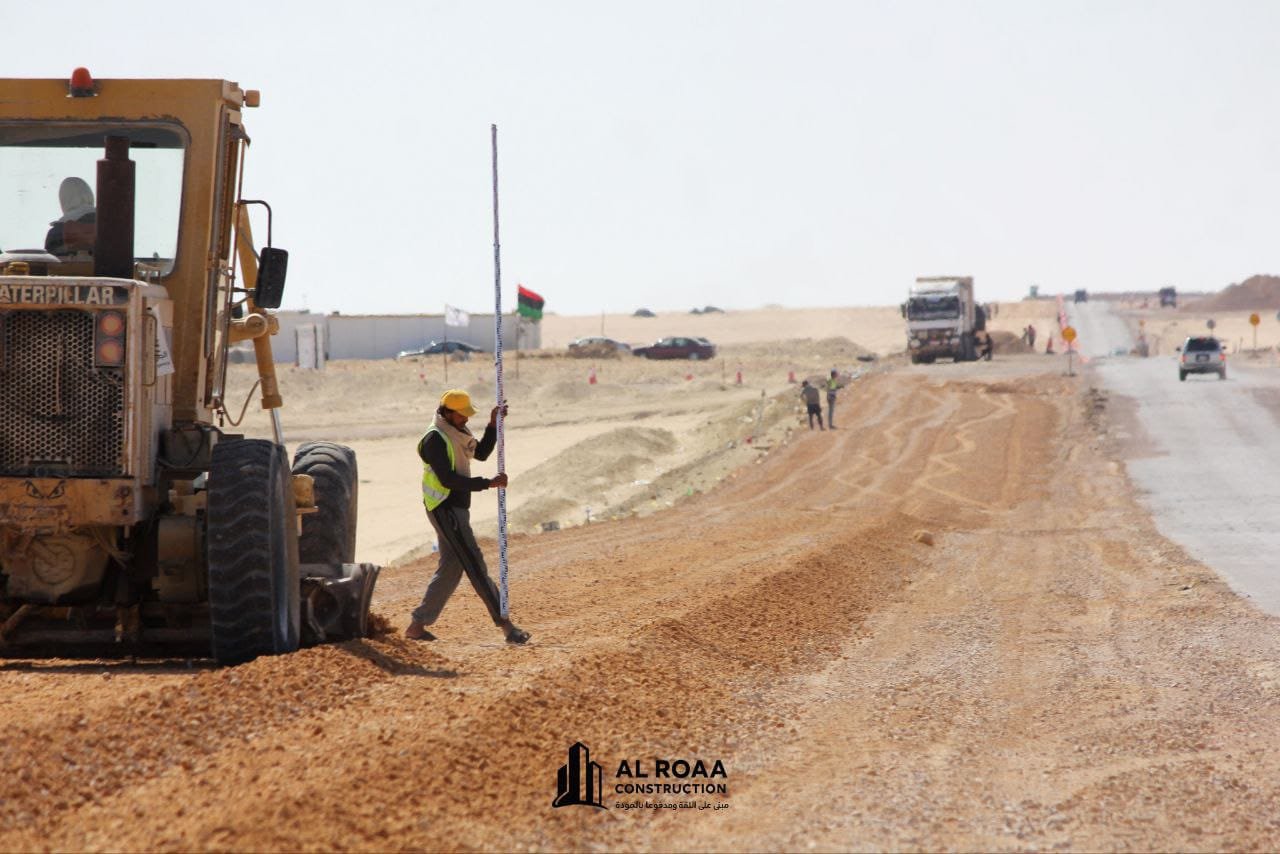
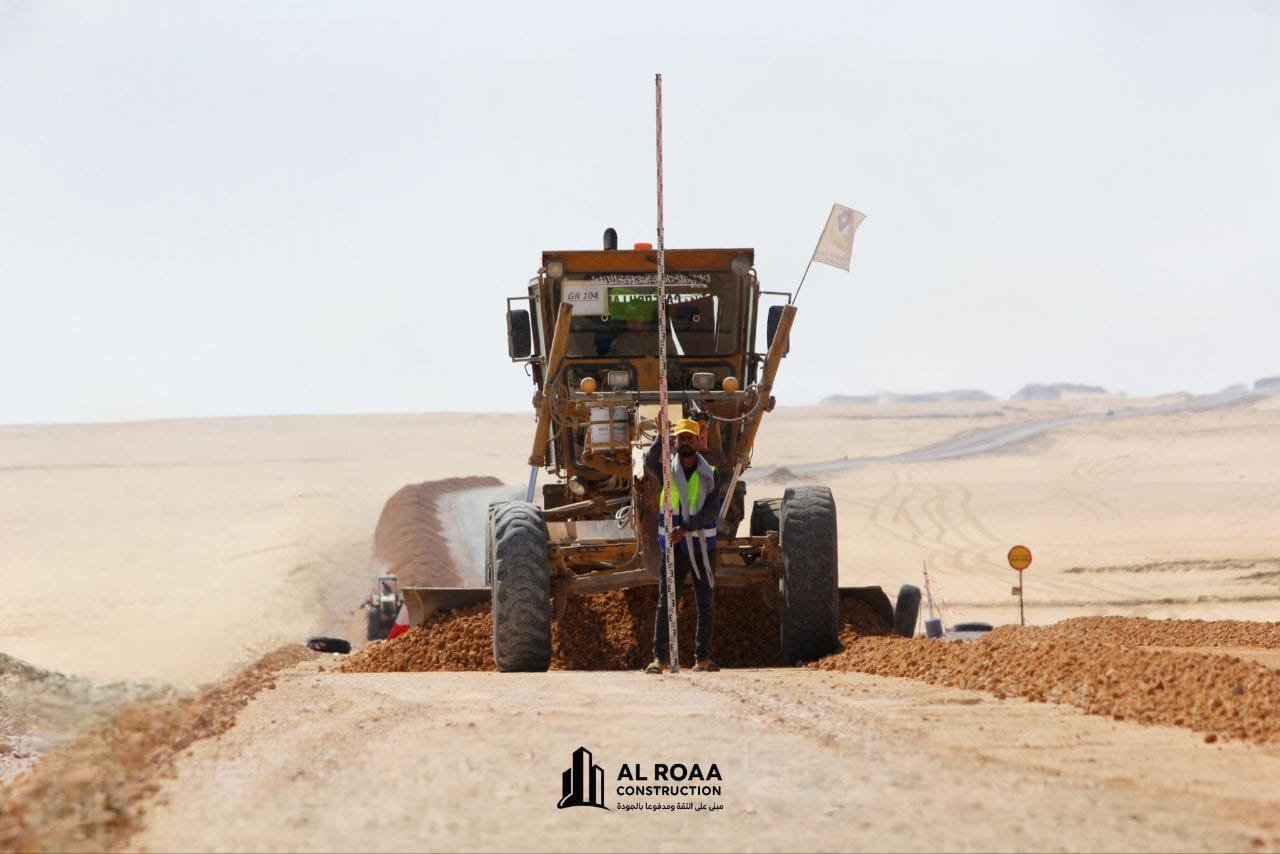
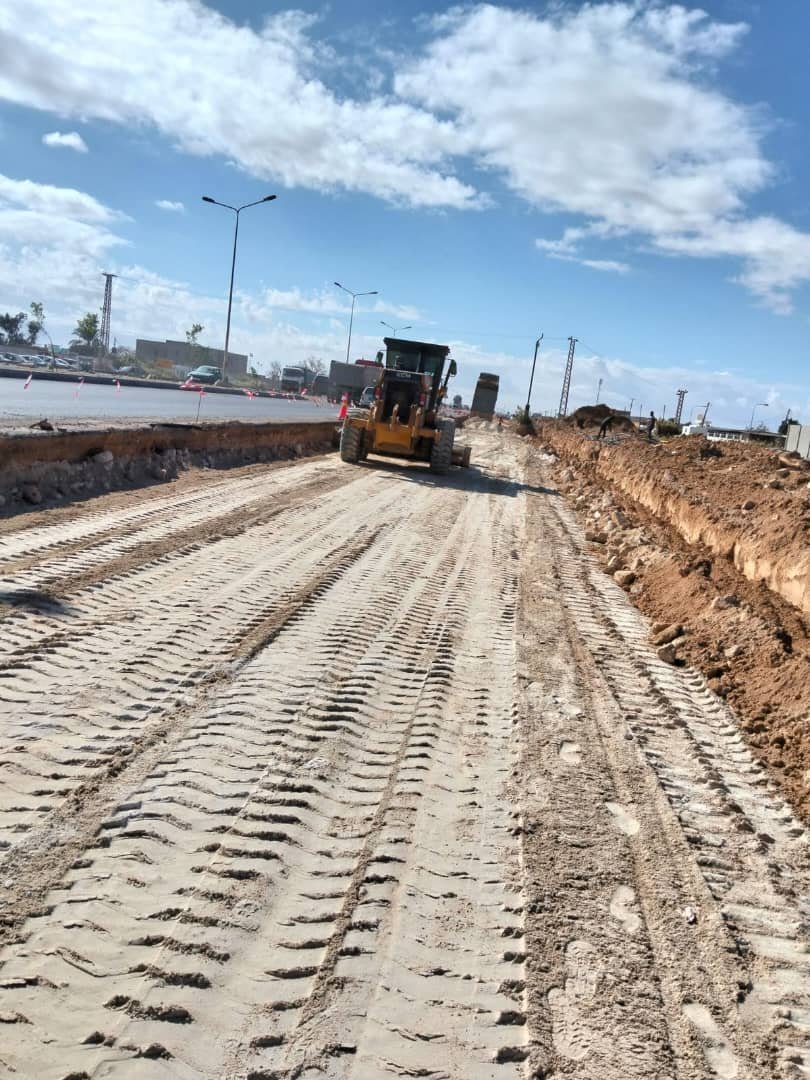
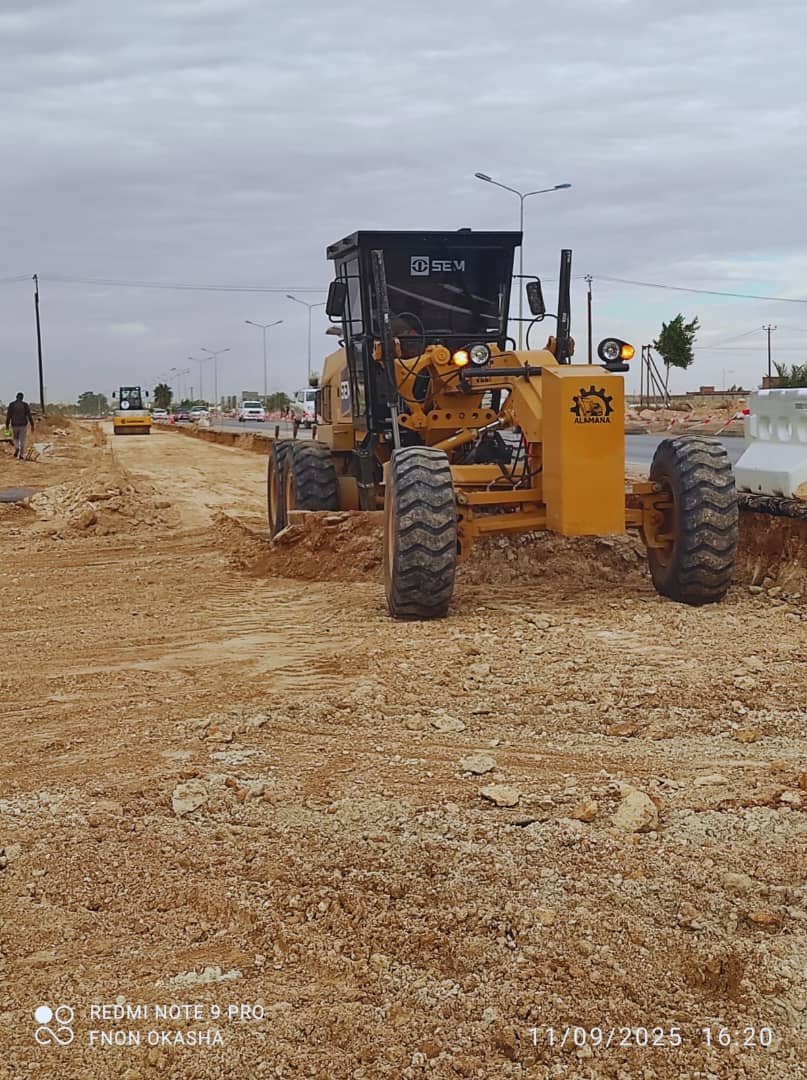
Project scope summary
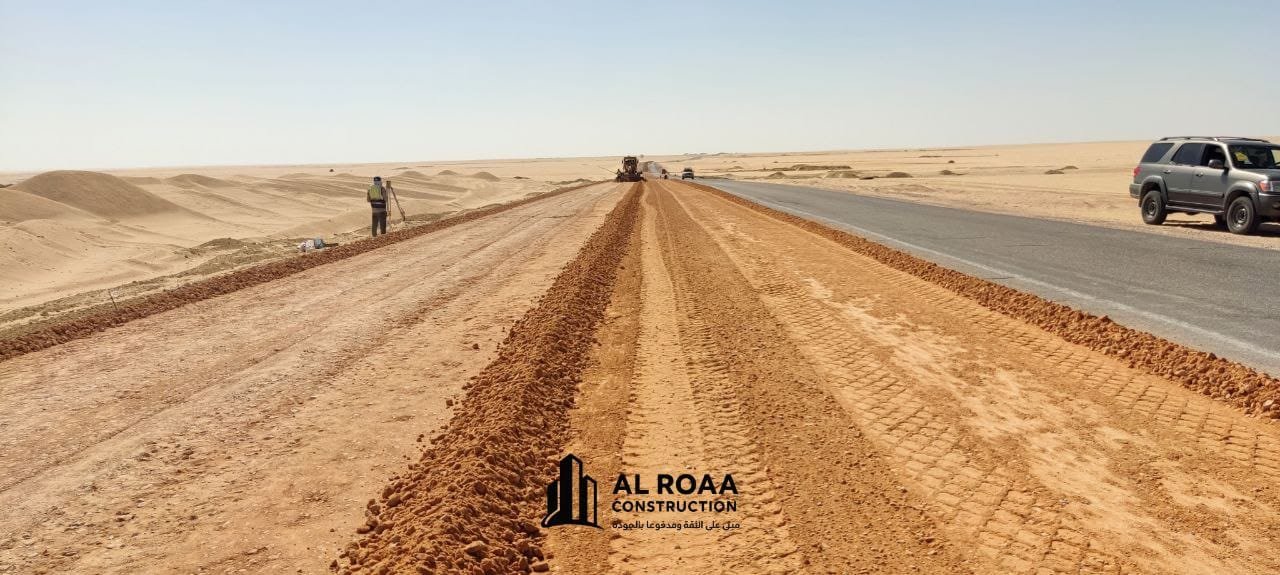
The 50 km Sector 3 upgrade delivers full pavement reconstruction with a modern multilayer asphalt design.
Works include side drains, cross culverts and upgraded intersections to international safety standards.
Project improves regional freight flows between Ajdabiya and Jalu, reducing transit time and maintenance costs.
Environmental safeguards and a local hiring program are embedded in construction plans.
Pavement engineering approach
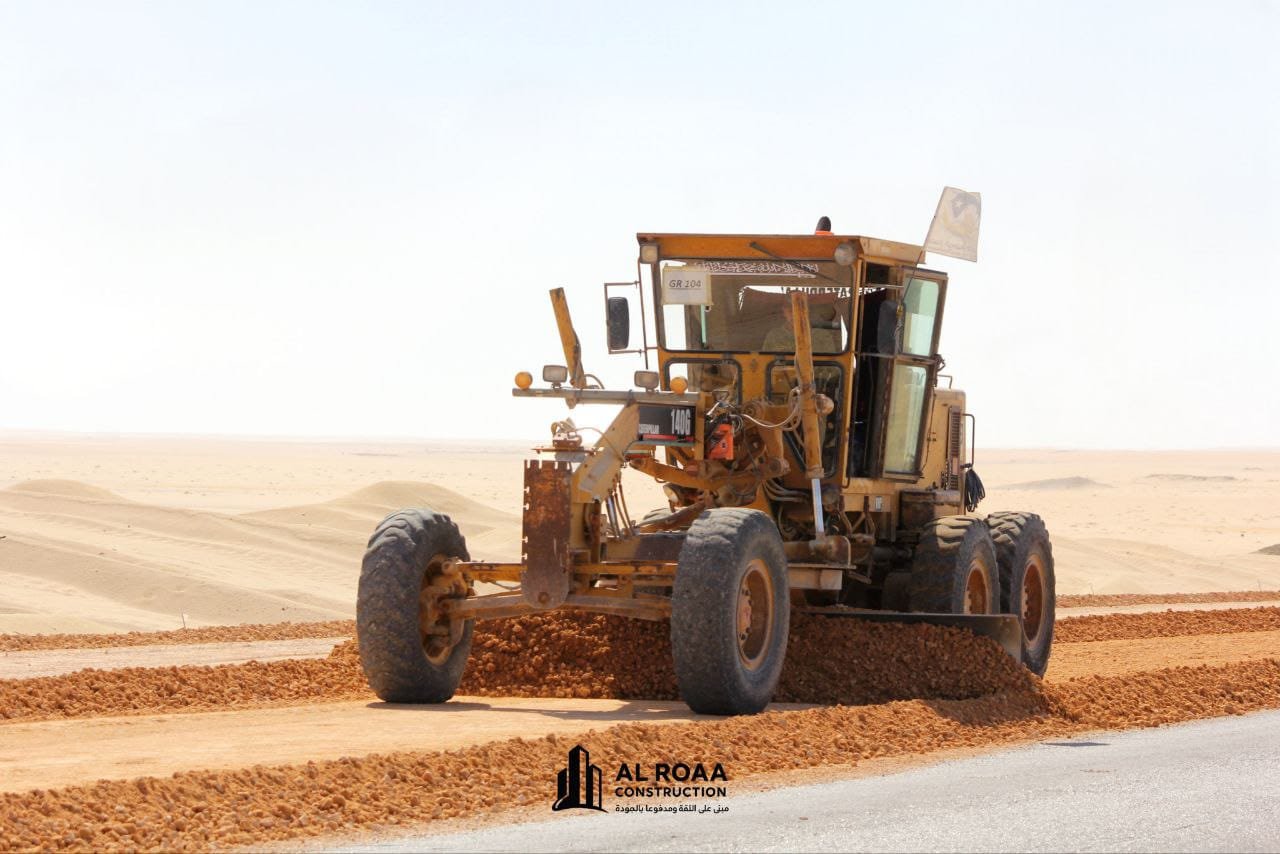
Pavement design uses site-specific geotechnical data to determine base and asphalt thicknesses for the desert climate.
A stabilized sub-base is specified where subgrade CBR values fall below required thresholds.
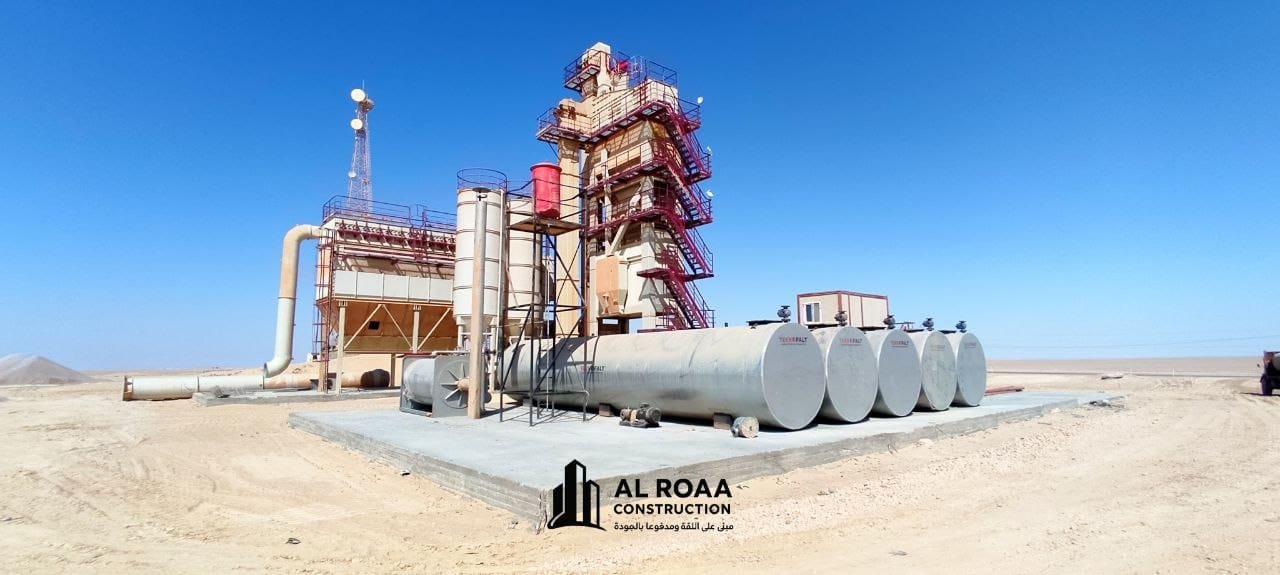
Quality-controlled hot mix asphalt is applied in multiple lifts to ensure uniform compaction and long service life.
Periodic performance testing is planned during construction to validate design assumptions.
Drainage & erosion control
Side drains and culverts are sized from hydraulic modelling to manage seasonal flash flows and sediment loads.
Erosion protection such as gabions and vegetative stabilization is included at critical cut/fill slopes.
Sediment traps and staged dewatering reduce turbidity during construction in lowland sections.
Careful spoil disposal and borrow management minimize environmental footprint.
Traffic safety improvements
Upgrades include paved shoulders, reflective delineators, guardrails and improved signage for night-time safety.
Intersections get dedicated turning lanes and visibility enhancements to reduce collision risk.
The contractor will implement a traffic management plan to protect road users during works.
Post-construction safety audits confirm compliance with required standards.
Small bridges & culverts works
Existing small bridges are inspected and rehabilitated or replaced to match new alignment loads.
Culverts are upgraded to reinforced concrete units with scour protection at inlets/outlets.
All structures are designed for durability in a coastal-desert environment with salt exposure consideration.
Load rating and as-built documentation included at handover.
Materials & quality control
Materials testing covers aggregates, asphalt mixes, concrete, and compaction to meet contractual specs.
A project QA/QC lab conducts routine sampling and reporting to ensure compliance.
Asphalt compaction tests and density checks are performed regularly across the 50 km corridor.
Non-conforming materials are rejected and replaced following documented procedures.
Environmental management
An ESMP outlines dust suppression, waste management and protection of local water resources during construction.
Work hours and noise mitigation reduce impacts on nearby communities and livestock.
Reinstatement plans for disturbed areas include native species where feasible to stabilize soils.
Regular environmental monitoring reports will be included in progress submissions.
Community engagement
Ongoing stakeholder consultations ensure local needs and concerns are integrated into the works.
Employment and skills training prioritize residents from adjacent towns and villages.
Grievance mechanisms provide a transparent route for community feedback and resolution.
Information bulletins and signage keep communities informed about construction schedules.
Construction staging & logistics
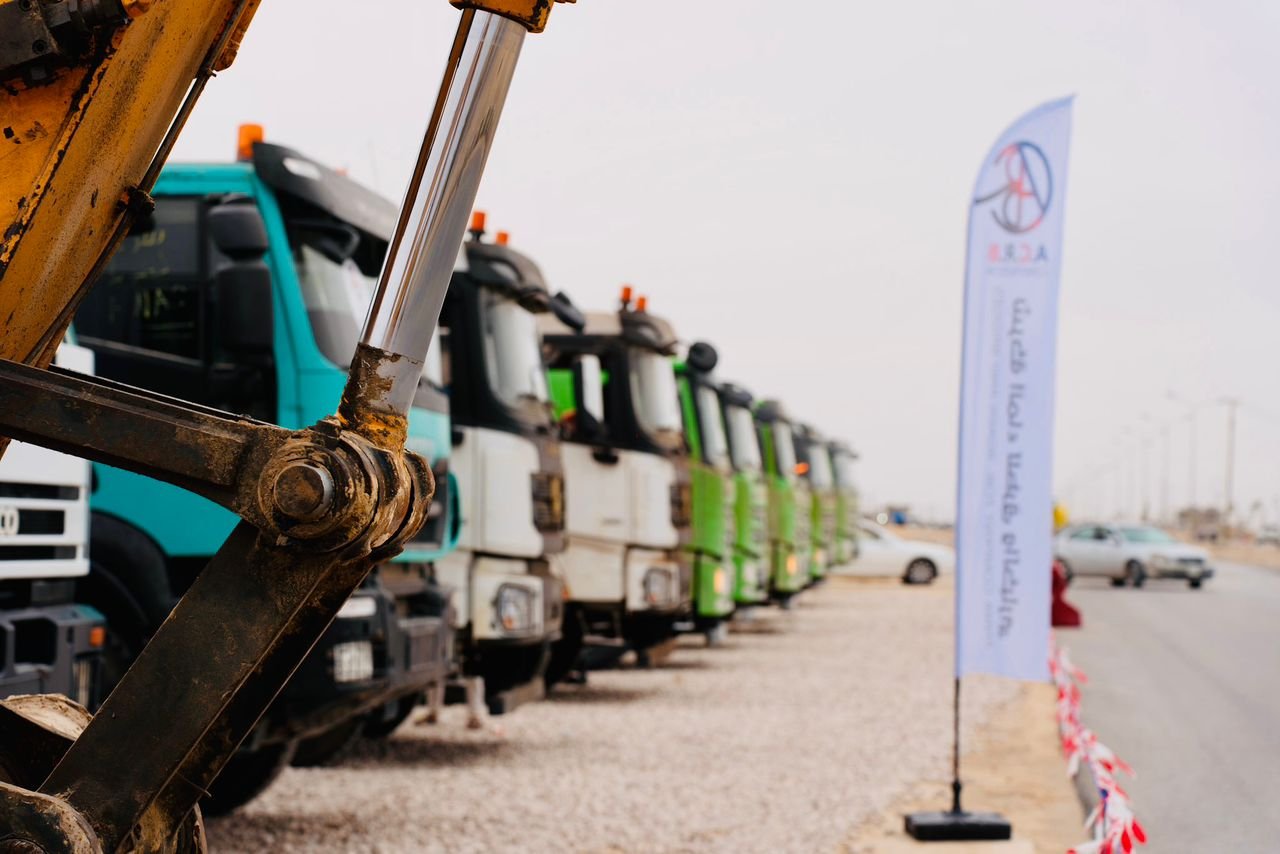
Work is staged in manageable sections to maintain access and supply chain resilience across the desert corridor.
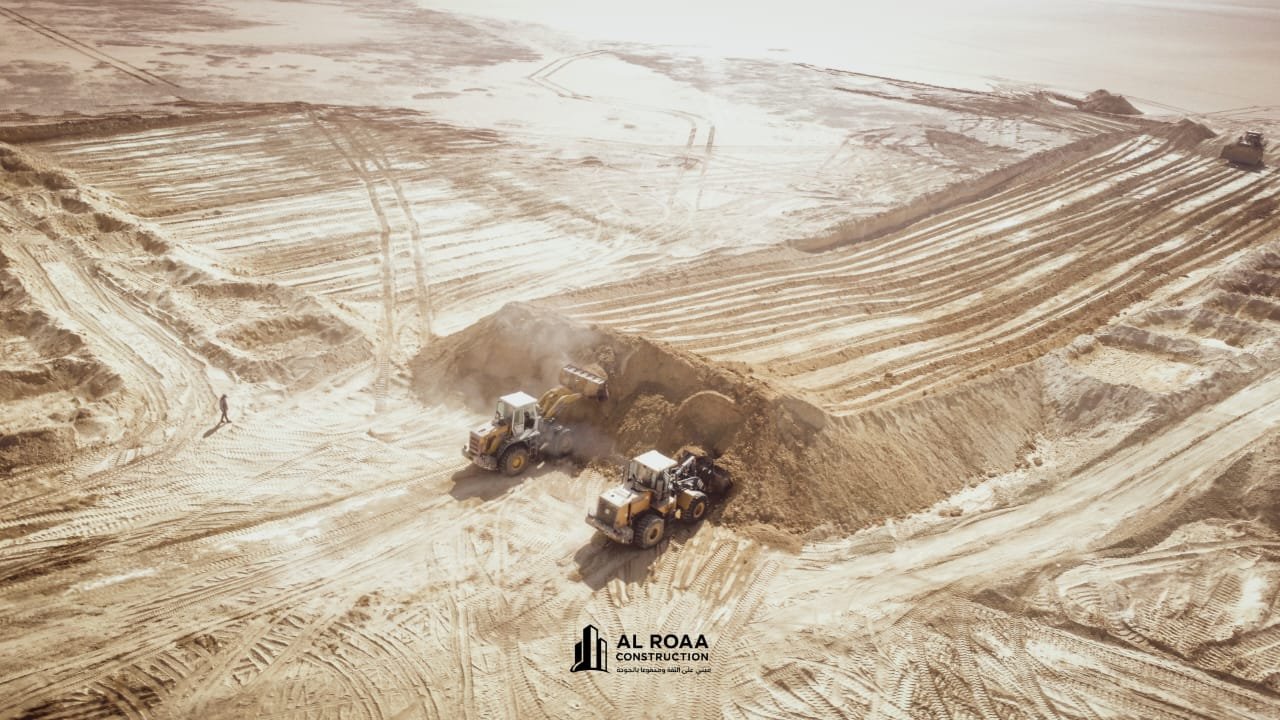
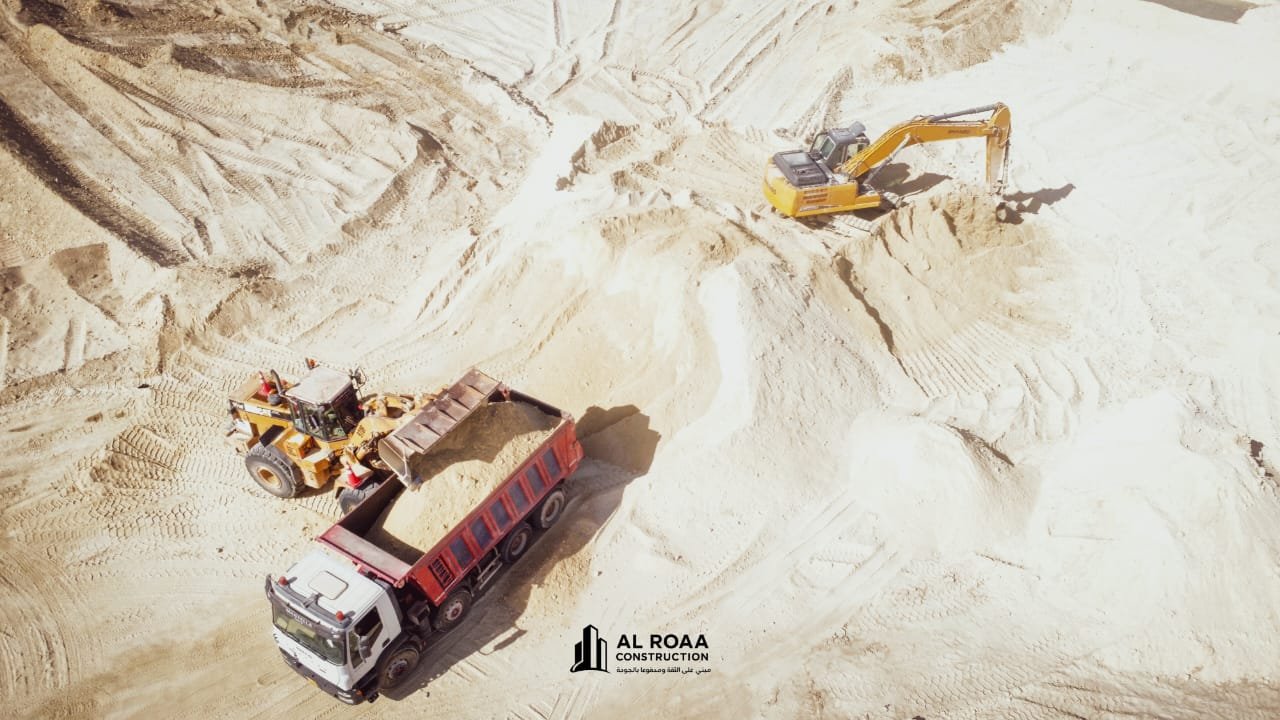
Temporary haul roads and material stockpiles are located to minimize traffic disruption.
Fuel, water and aggregate supply chains are planned with contingency buffers for remote sections.
Local suppliers and service providers are engaged to reduce mobilization costs.
Contract management & procurement
Procurement follows transparent tendering with clear evaluation criteria for technical and financial offers.
Contract administration enforces milestones, payment schedules, and defect liability periods.
Progress reporting is structured with weekly site reports and monthly consolidated dashboards.
Subcontractor management ensures specialized works meet safety and schedule requirements.
Hydrology & climate design
Hydraulic studies inform culvert sizing and culvert placement in seasonal wadis and flood-prone zones.
Pavement design accounts for thermal stresses and rare intense rainfall events in the region.
Drainage structures include sediment management features to prolong service life.
Climate resilience measures reduce vulnerability to future extreme events.
Asphalt mix & performance
Asphalt mixes are designed for high fatigue resistance and rutting control under heavy axle loads.
Material selection uses local aggregates where quality criteria are met to lower carbon footprint.
Temperature-controlled paving and compaction processes ensure consistent surface texture.
Surface friction testing post-construction verifies safety for wet and dry conditions.
Geotechnical considerations
Site-specific geotechnical evaluation guides subgrade stabilization interventions along weak segments.
Soil improvement methods include lime/cement stabilization where required for CBR improvement.
Monitoring of settlement during construction ensures early detection of soft spots.
Data-driven design reduces future maintenance and extends pavement life.
Operation & maintenance plan
A post-construction maintenance manual defines routine inspections, pothole repair and drainage cleaning.
Asset registers for pavement sections and structures support lifecycle management and budgeting.
Training for local agencies on maintenance best practices improves long-term performance.
A scheduled maintenance program helps to sustain the road’s serviceability and safety.
Socio-economic impact
Improved connectivity reduces transport costs and supports local markets and services in the region.
Road upgrades encourage intra-regional trade and access to health and education services.
Construction offers direct employment and skill development for adjacent communities.
Project monitoring will track economic indicators and local procurement benefits.
Handover & project close-out
Final inspections and rectification of defects are completed before formal handover and acceptance.
As-built drawings and test records are submitted alongside an operations manual for authorities.
A defined defects liability period ensures contractor responsibility for early-life issues.
Handover includes knowledge transfer sessions for maintenance teams and stakeholders.